
I didn’t expect a show about robots and artificial intelligence to become such a moving story about a father and his sons. But by the time VisionQuest ends, its conversations about existence and humanity have become inseparable from the Maximoffs finding their way back to each other. The finale brings together the season’s comedy, computer metaphors and complicated family relationships, then gives them an emotional payoff that had me in tears more than once.
Before the finale, Vision (Paul Bettany) has already taken the hardest step. His encounter with Jim Hammond, the original Human Torch, forces him to acknowledge what losing Billy, Tommy and Wanda actually means to him. Bettany also plays Hammond and his creator, Phineas Horton, but it is Vision’s breakdown that stays with me. He finally accepts that this is his family and allows himself to grieve. For me, that is an Emmy-worthy performance.
Virgil Horton wants Vision’s body
The finale opens with Vision and Jocasta (T’Nia Miller) trapped at the mansion, forced to serve their captor. The mysterious Client is Virgil Horton, played by James Spader, who also plays Ultron. Jocasta recognizes Virgil as her husband. Meanwhile, Ultron is confined to a small device and muted because he won’t stop talking, which is a very Ultron problem to have.
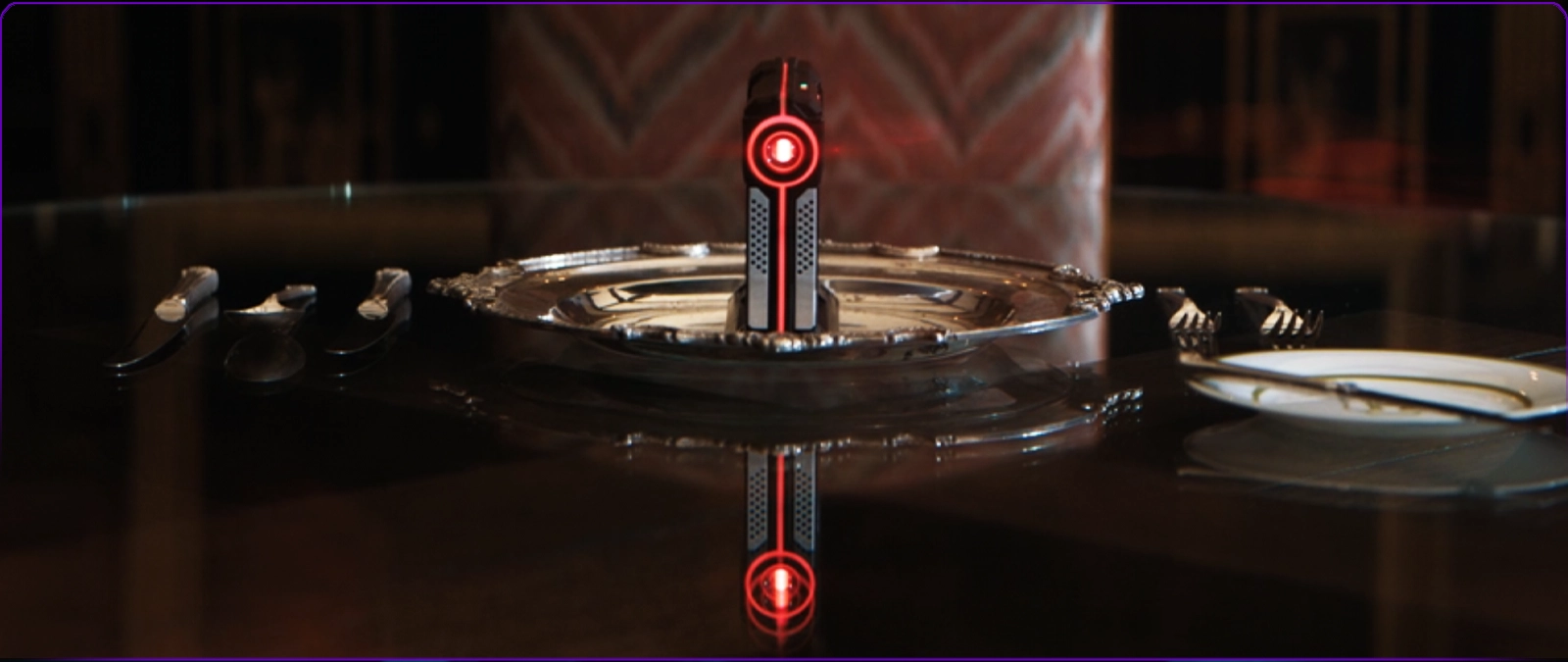
Virgil is Phineas Horton’s grandson. He also worked with S.W.O.R.D. on rebuilding Vision and used materials from that work to construct Jocasta. Now he wants to erase Vision and use his body as a vessel for his own mind.
His idea of a future with Jocasta depends on controlling her. The same impulse extends to humanity, which he intends to bring to heel through his nanobots. His version of peace requires obedience. That makes the dinner’s forced domesticity particularly unpleasant. He has assembled the household he wants and removed everyone else’s ability to choose their place in it.
Spader is excellent at turning cleverness and theatricality into something threatening. I could watch him talk about almost anything, and the series gives him plenty of opportunities. Seeing him as both Virgil and Ultron also makes their shared arrogance especially entertaining.
Tommy finds Billy
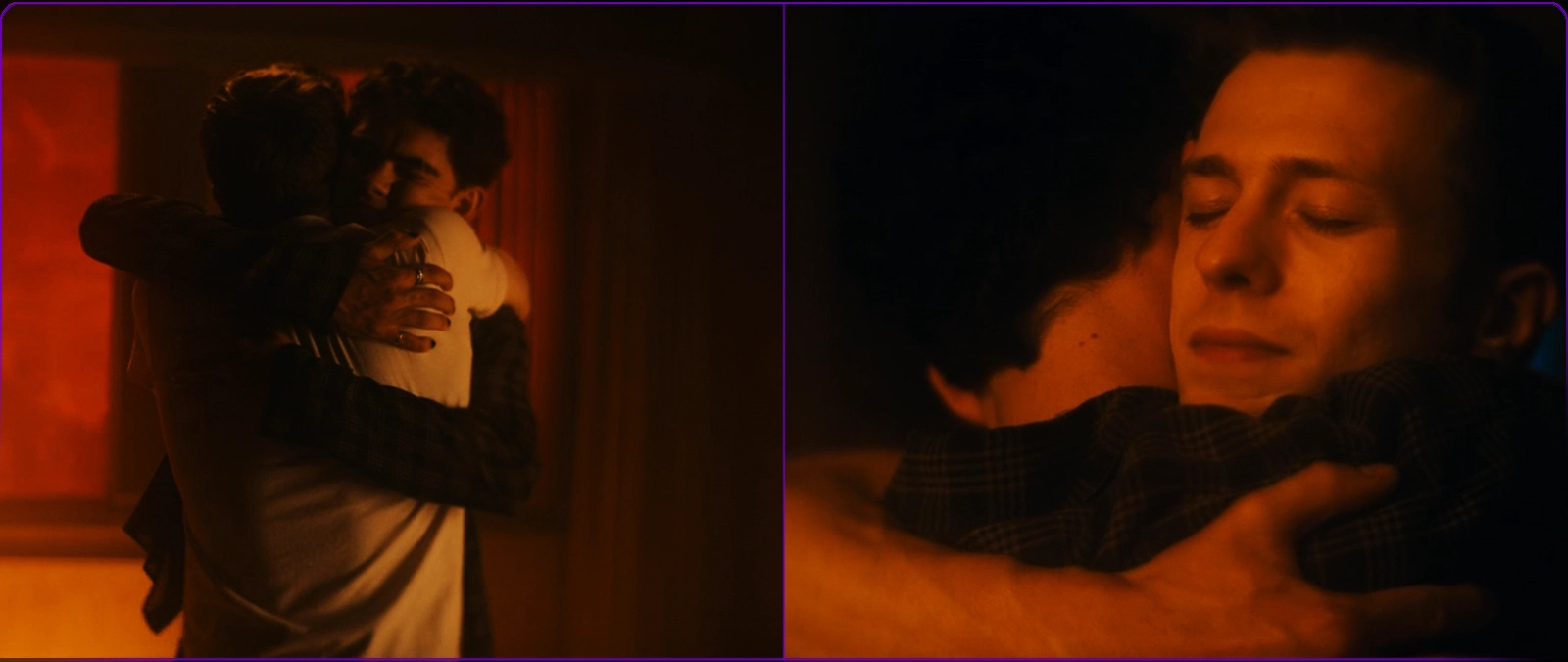
While Vision is trapped, Tommy Maximoff (Ruaridh Mollica) watches WandaVision and tries to reach his brother. With help from Lisa Molinari (Lauren Morais), he submerges himself in a bathtub to recreate the drowning that previously connected him with Billy. The attempt forces him back into the memory of his death before he finds himself in a room, opens a door and discovers Billy (Joe Locke).
They hug, and I cried. Tommy asks why Billy never came for him. Billy explains that he has been searching, but couldn’t clearly locate him until recently. Tommy has been waiting to be found, while Billy has been struggling to find him.
Mollica is enormously charismatic, and seeing him with Locke makes the brothers’ connection immediately appealing. Billy still talks to Agatha, whose unseen presence gives him a funny point of comparison with his father’s internal household of AIs.
Tommy tells Billy to find him.
Tommy frees Vision and Jocasta
Tommy and Lisa’s rescue effort brings them back together with Paladin (Todd Stashwick), who survived with EDITH’s help. Emily Hampshire’s EDITH is now operating through his glasses. DUM-E and U, the two AIs seen flying one of Paladin’s drones, also help the group.
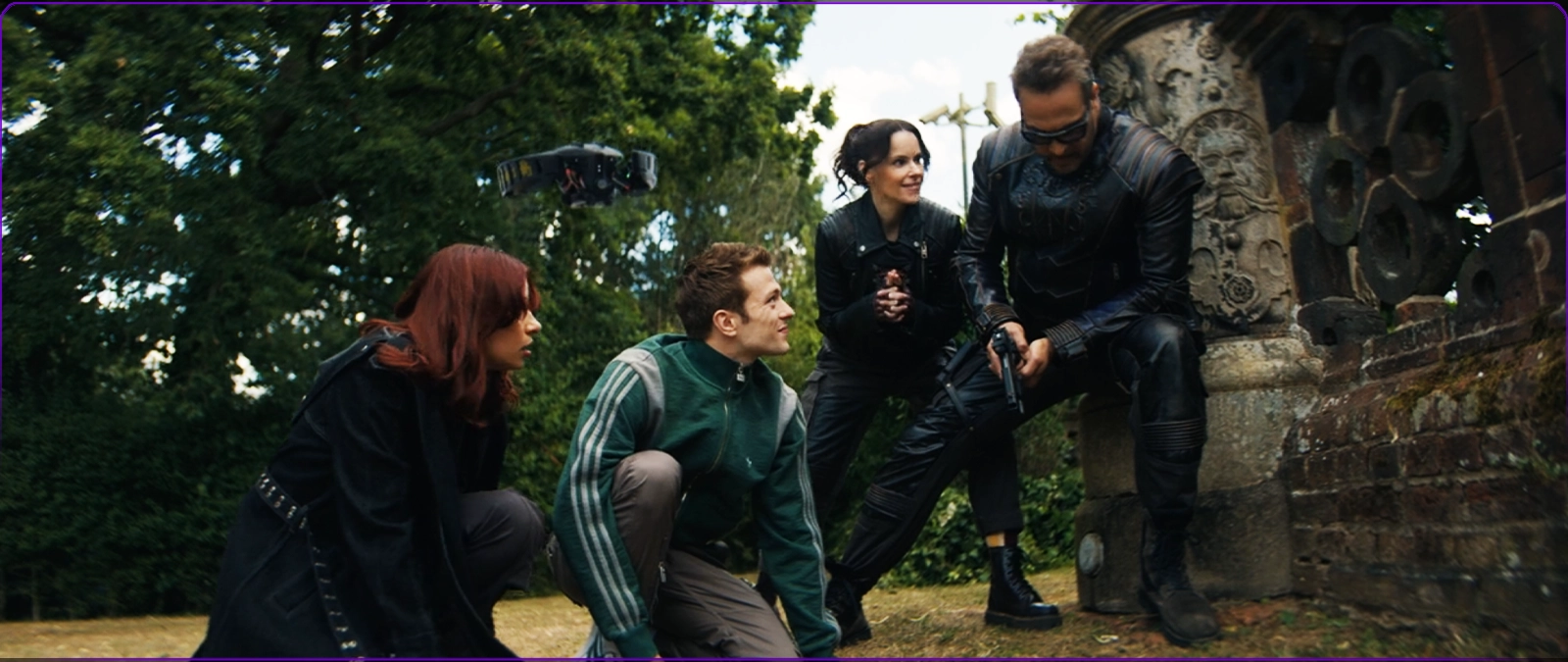
Paladin initially felt generic to me, but the Madripoor stretch won me over. Watching him cooperate with the others gives him a more entertaining place in the story. Lauren Morais’s performance as Lisa didn’t leave as strong an impression on me as the rest of the ensemble, particularly alongside Bettany and Spader’s commanding screen presence.
Inside the mansion, Virgil begins trying to purge Vision’s memories. Tommy embraces his identity as Tommy Maximoff and uses his speed to intervene. I loved the simplicity of the effect. He appears to run normally while the world around him stands still. Vision and Jocasta can perceive him, turning the sequence into a strange little family interaction in the middle of a rescue.
Vision tells Tommy he can trust Jocasta because she is family. Tommy destroys the control device, freeing them both.
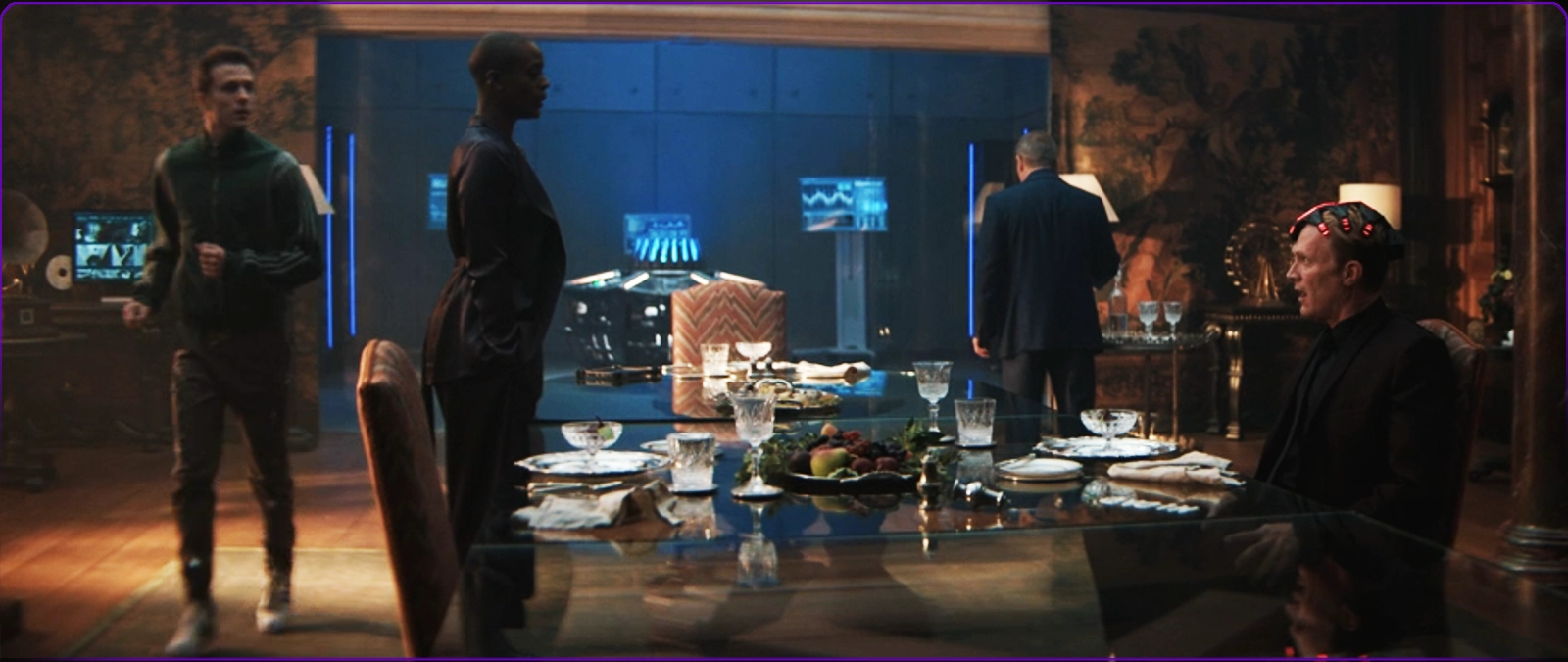
Jocasta’s story initially felt messy and convenient, but her romance with Ultron gave her a place in the series that worked for me. Their scheming, their chemistry and that kiss in robot form were wonderful. By the time Vision includes her in the family, Ultron and Jocasta have practically become the grandparents.
Jocasta’s death turns Ultron’s grief into a threat
The escape becomes violent. Jocasta throws Virgil into a glass table, but he shoots her in the chest. She manages to send the device holding Ultron into the nanobot swarm, giving him a physical body again. Ultron kills Virgil by squeezing him to death, then holds Jocasta as she dies.
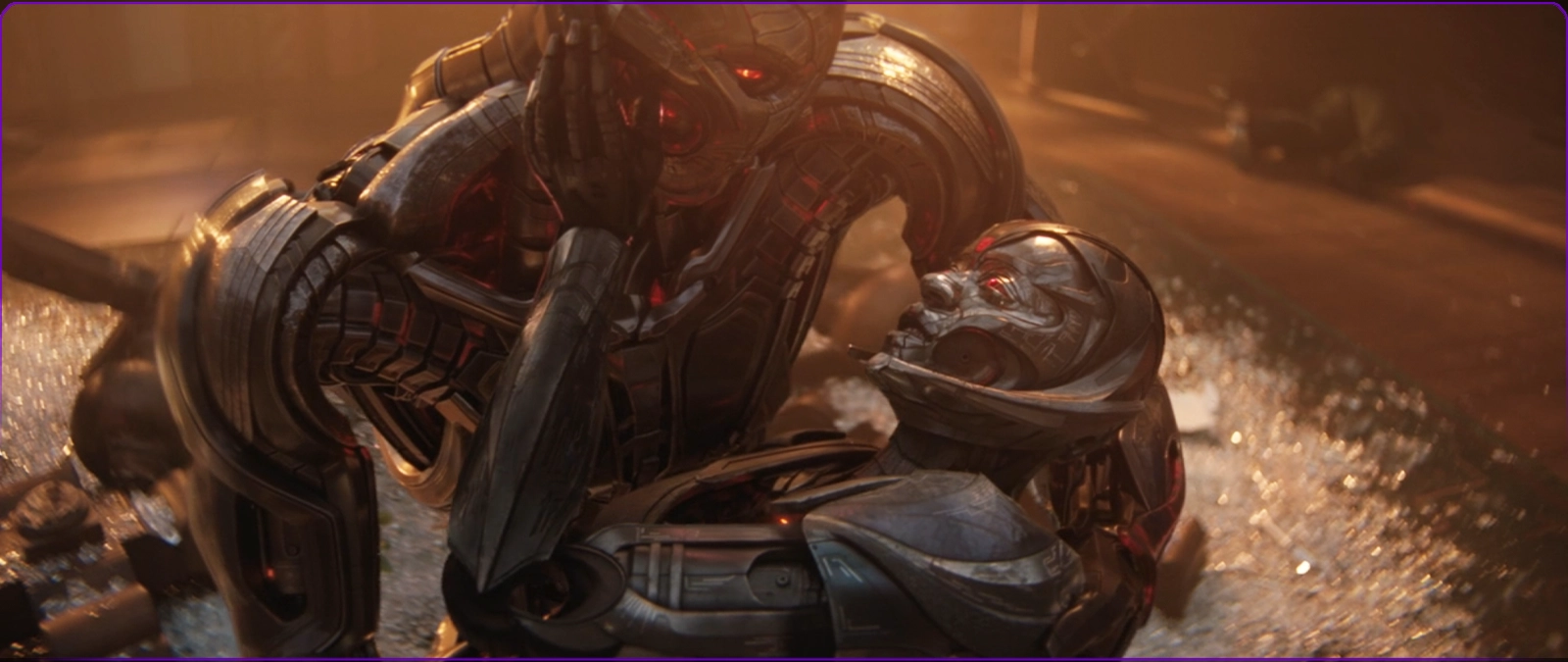
The brutality startled me. From the killing of Fiona, Vision’s friend at the pub where he worked, in the opening episode to the headshots and Virgil’s death, the season repeatedly shows how abruptly and violently a human life can end. In a story so interested in humanity, that violence makes human fragility impossible to ignore.
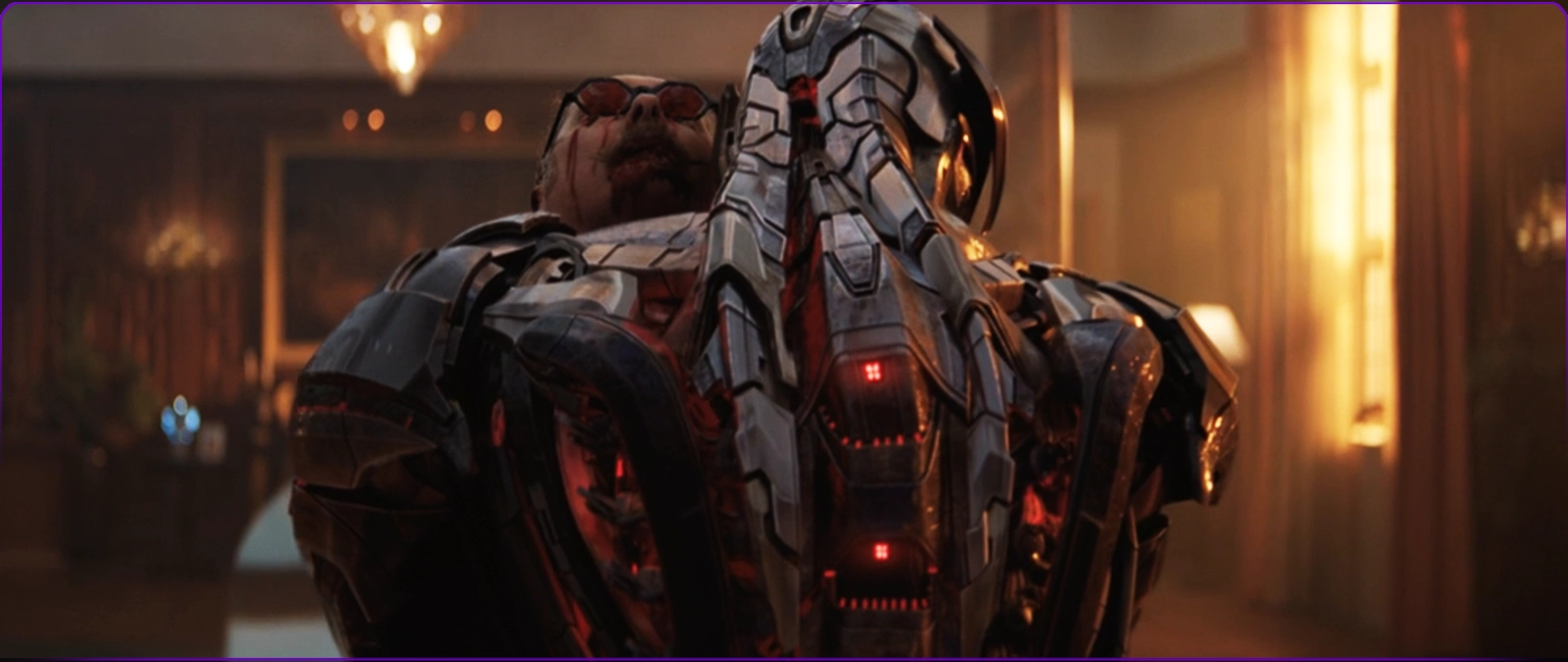
Jocasta’s loss sends Ultron back toward his old conclusion that humanity should be wiped out. He sends the nanobots to London with orders to kill. Destroying him will not cancel those orders, so fighting him cannot resolve the entire threat.
Tommy recognizes that Ultron is trapped in grief, just as Wanda was. He has lived inside the consequences of his mother’s pain and understands how dangerous it can become when someone has that much power. His observation gives Vision another way to reach Ultron.
UltraVision turns the showdown into a sitcom
Vision draws Ultron into a simulation running in accelerated time. Outside, London is minutes away from catastrophe. Inside, they can spend hundreds of episodes talking.
The result is UltraVision, complete with an opening sequence, a laugh track, applause and sitcom entrances. EDITH joins them, and Ultron starts interfering with the show’s format. The others eventually enter the simulation too. FRIDAY (Orla Brady) returns, revealing that Ultron saved her from deletion.
I loved these sequences. The mansion in Vision’s head had already given the series a clever connection to WandaVision and to Billy’s creation of the Road in Agatha All Along. Its computer metaphors kept finding new forms, from a leaking ceiling representing a data leak to a dove functioning as an email. Now that internal world becomes an actual sitcom.
It is also very funny that Ultron is powerful enough to require what amounts to hundreds of episodes of an intervention. Spader’s sass makes him an ideal, deeply uncooperative participant. Then the sequence becomes frightening and sad. Ultron introduces the screams of a murdered studio audience, and Vision’s power begins running out.
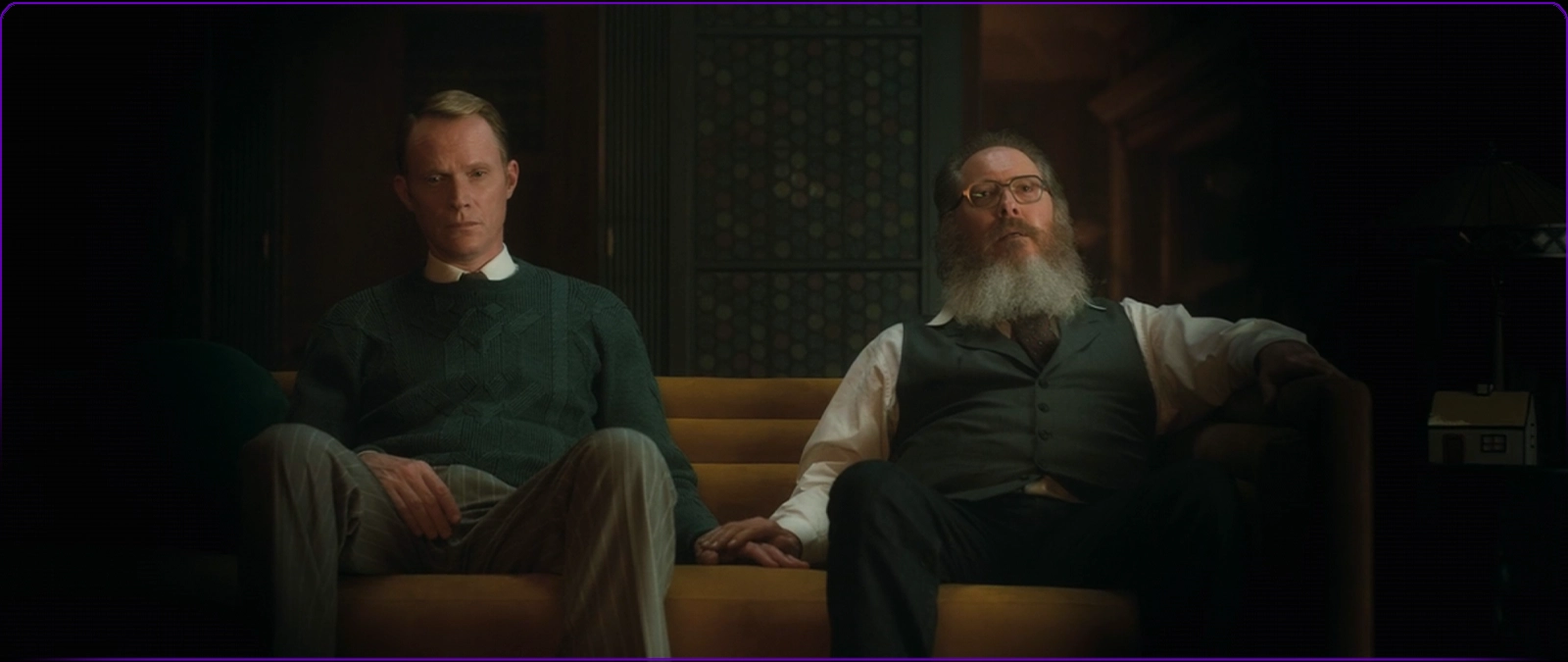
Their conversation finally reaches the fear beneath Ultron’s rage. Love makes loss possible. Vision understands that because he has only just allowed himself to feel his own grief. He tells Ultron that he is not alone and reaches for a relationship they have struggled to name. They are each other’s “something.”
As their cores burn out, Ultron finally orders the nanobots to destroy themselves. London is spared because he chooses to stop them.
Billy and Tommy bring their father back
Outside the simulation, Tommy tries to revive Vision by generating electricity with his speed. Billy arrives through a blue portal and joins him.
Inside, Vision and Ultron remain on the couch as darkness closes around them. Ultron holds Vision’s hand. Even as his body becomes code, that little hand is still there. That image broke me.
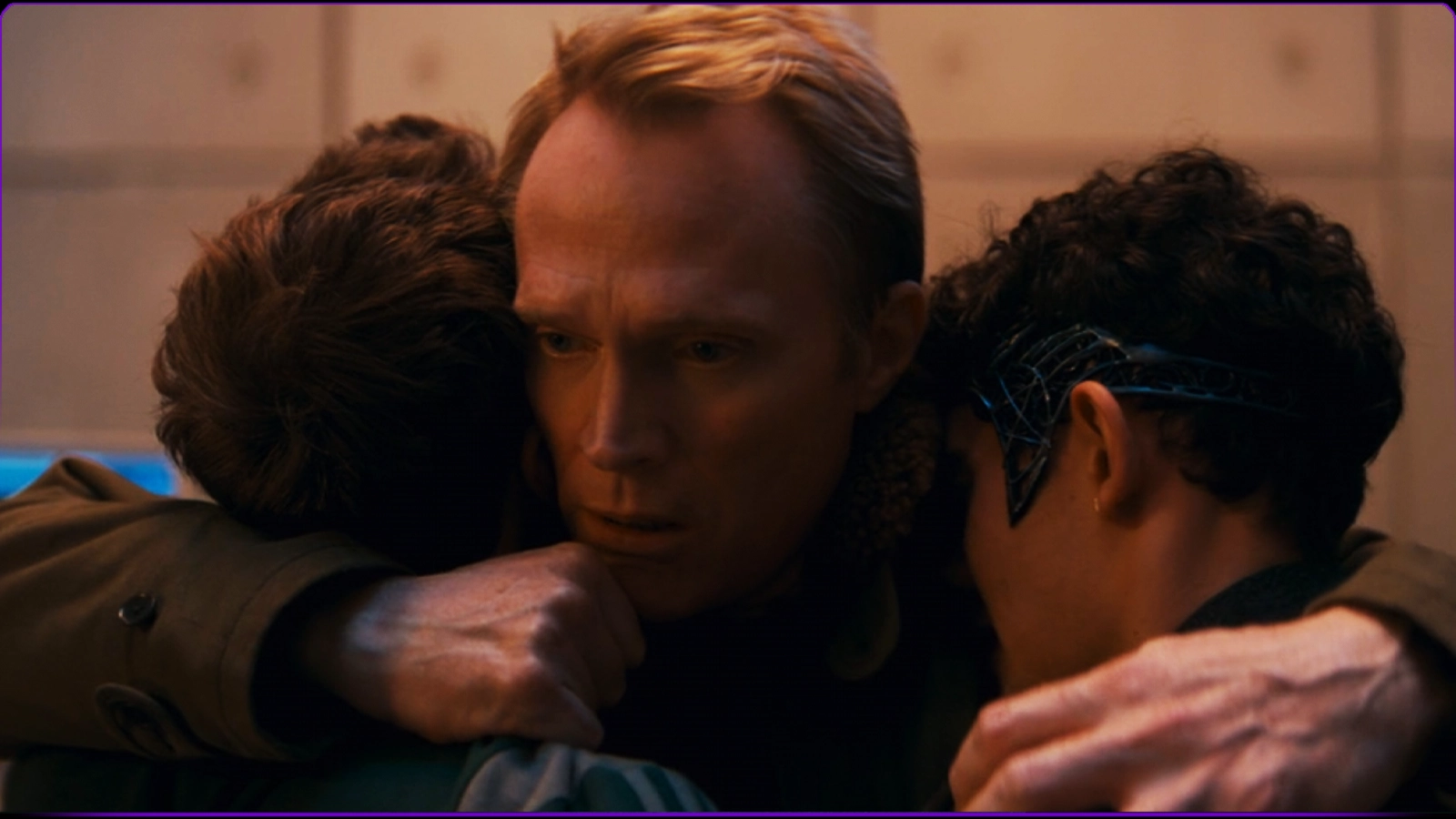
Then Billy and Tommy succeed. Vision wakes, Tommy hugs him, and Billy offers his hand. Vision pulls Billy into the embrace too.
“My boys.”
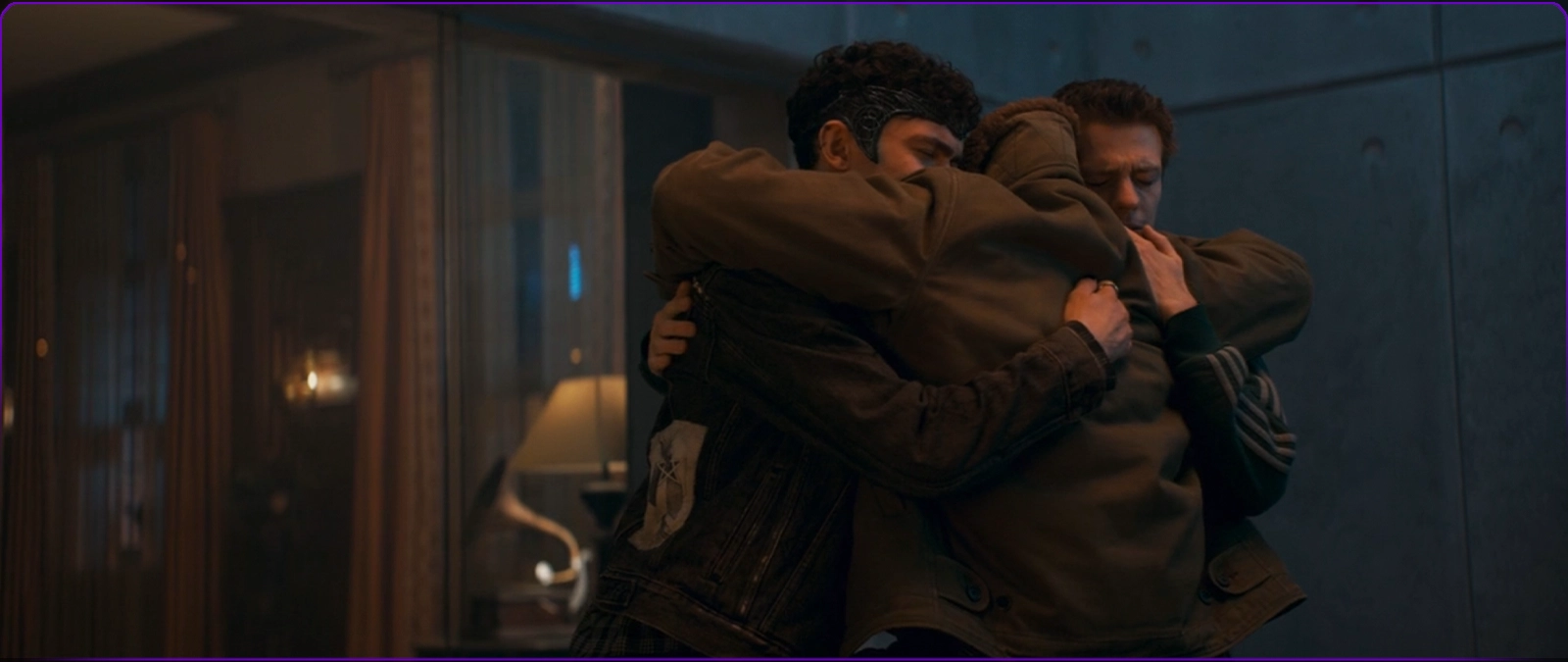
I cried again. Bettany and Mollica have built a convincing father-and-son relationship across the season, and Locke’s arrival lets it expand into something the trilogy has been moving toward.
There is something special about giving these men so much room to be affectionate. They can ask why they were left behind, admit that they are afraid and reach for one another.
The family learns how to leave
The aftermath gives the supporting characters new directions. EDITH and Paladin are going into business together helping people, with a firm objection to working for free. Lisa joins them, while Tommy plans to go to New Jersey to see Billy.
Tommy also asks Vision whether they might see Wanda again. Vision answers that they have said goodbye before, so it stands to reason they will say hello again. After everything he has admitted about losing her, that hope carries real weight.
Vision frees the AIs and prepares to live outside the mansion in his head. EDITH’s earlier decision to free Paladin’s AI helped establish that possibility. Even DUM-E and U have found a way to move through the world together in a drone.
JARVIS (James D’Arcy) remains absent. I kept expecting him to come back, particularly after FRIDAY returned. In a story with so many possibilities for surviving through code, his loss still hurts.
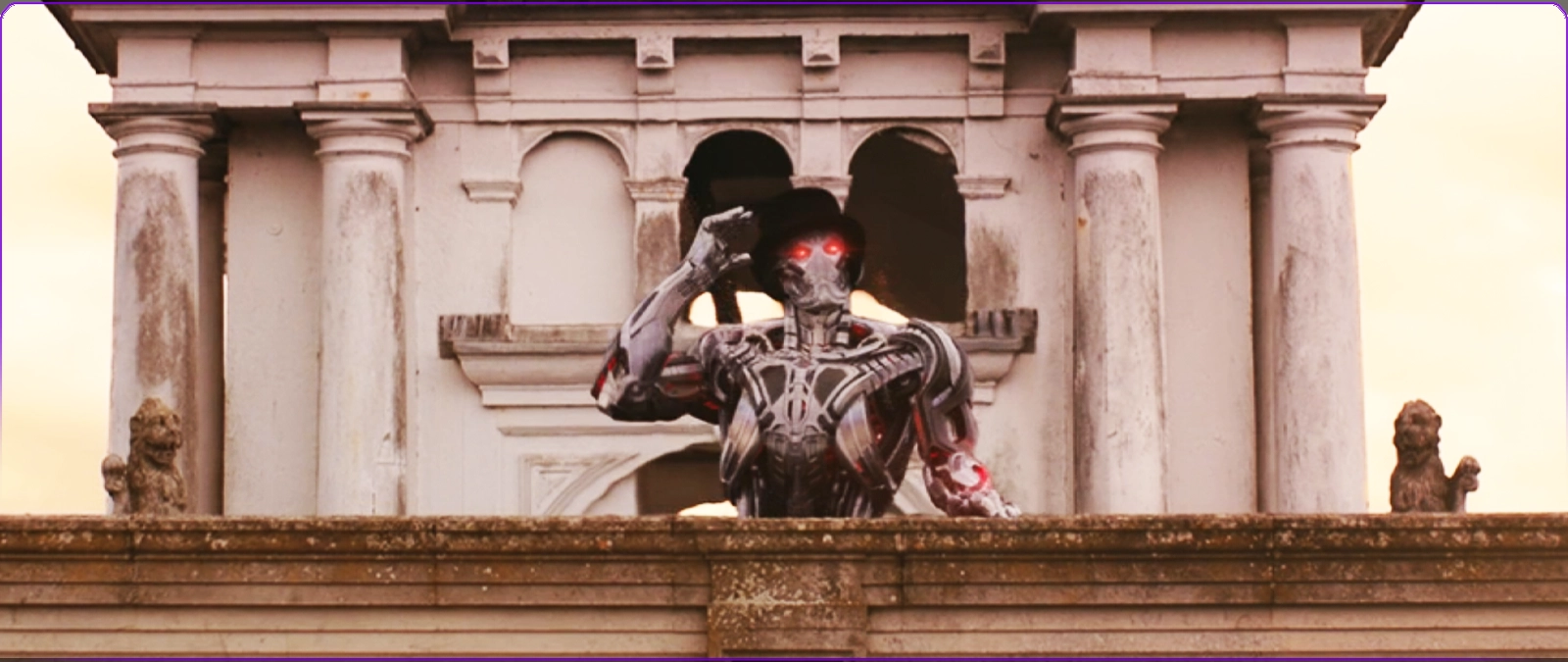
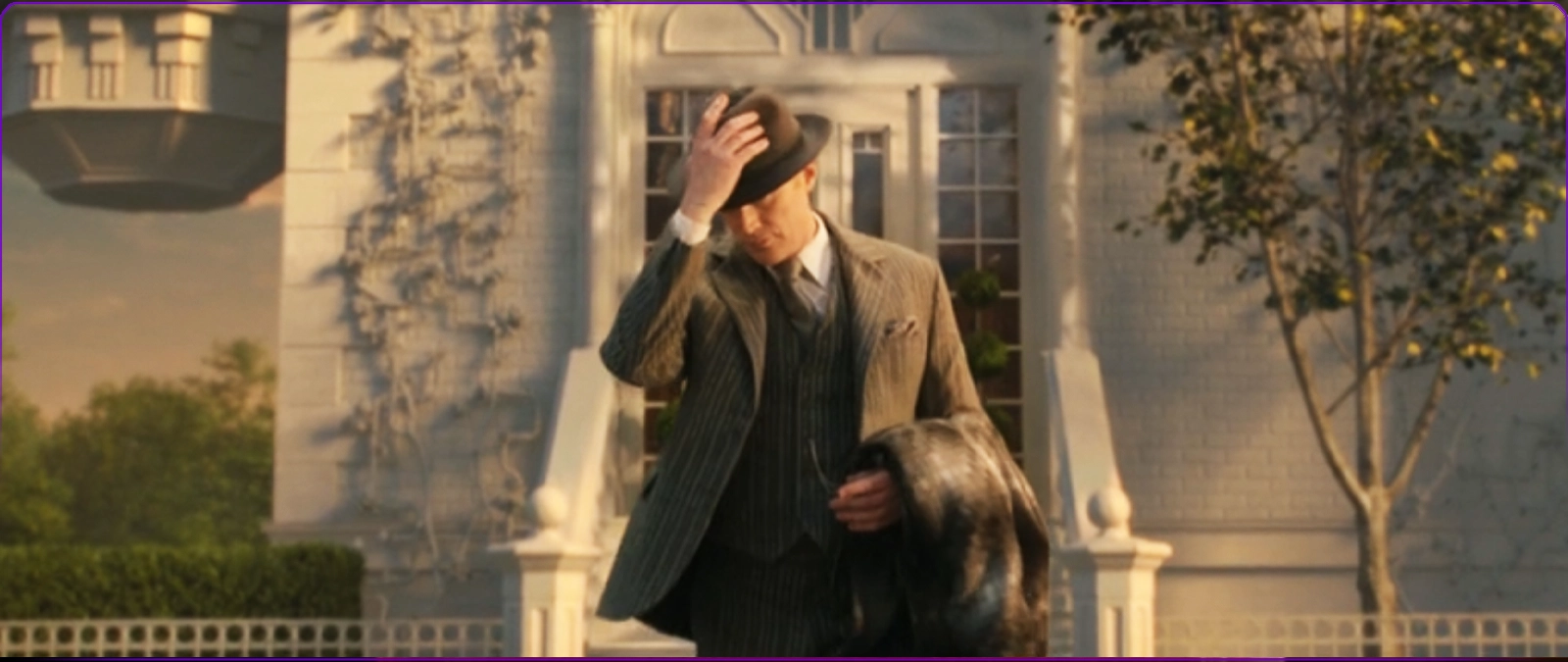
Before Vision leaves, the telephone rings. Ultron is alive. Vision had noticed that some nanobots were unaccounted for and has chosen to give him a second chance. Ultron, now using Virgil’s human appearance, talks about visiting museums and says he doesn’t want to be alone. He reminds Vision to take his hat.
The credits reopen the question of reunion
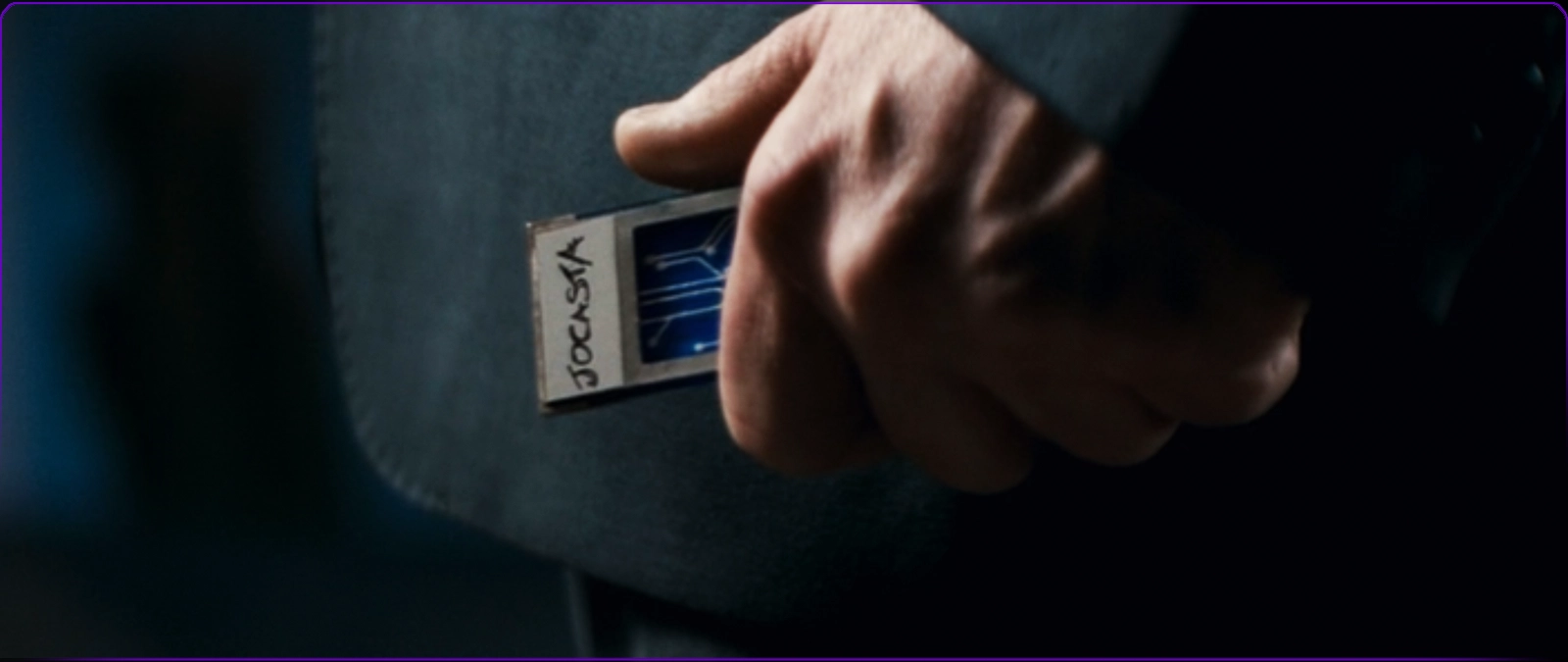
A brief credits scene shows Ultron holding Jocasta’s program. Her return becomes a possibility, and his wish for company takes on a more specific meaning.
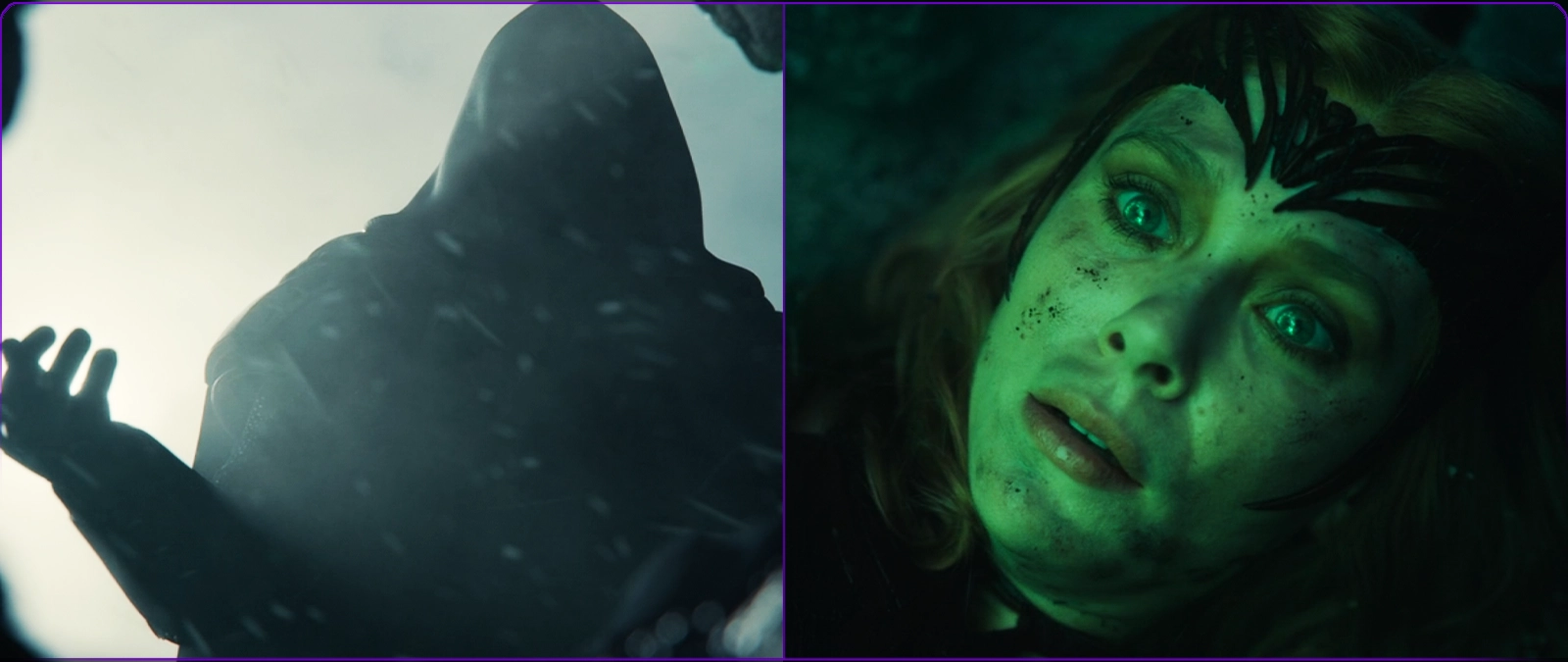
The final scene returns to Mount Wundagore. Doctor Doom lifts the rubble over Wanda Maximoff (Elizabeth Olsen), tells her to awaken and declares that her power will be his. Wanda opens her eyes. Tommy’s question about seeing his mother again suddenly has a new urgency. She is alive, and Doom has reached her first.
Why the trilogy’s ending works
WandaVision follows Wanda reconstructing what she lost, only to lose it again. Agatha All Along follows Billy searching through the confusion of his identity and finding himself, with Agatha becoming part of his life. VisionQuest brings Vision and Tommy to the grief they have been avoiding, and through accepting it, they find their family.
I give the season four stars. Some middle episodes blend together, and the early two-episode releases helped sustain the momentum. But I was never bored. Bettany and Spader’s performances, the constant invention and my affection for this family carried it through. Agatha All Along remains my personal favorite, while WandaVision created this extraordinary corner of Marvel in the first place.
Vision can finally leave the house because he has found reasons to live beyond it. His family is out there.
And if Doctor Strange crosses paths with Billy and Tommy in Avengers: Doomsday, I imagine that introduction will be a little awkward. He told Wanda in Multiverse of Madness that her children weren’t real because she had created them through magic. After watching those same boys bring their father back to life, I’d love to hear him explain that one.
Here at HolaHello, we’ll always be Wanda defenders. And if she feels the need to end Doctor Strange after that, we understand.
Cast, episode and dialogue references
TheWrap · Radio Times · People
Fiona’s death in the premiere — TVLine · Doctor Strange dialogue — IMDb
Image notice: This article is an independent review and ending explainer. Images from VisionQuest are included for criticism and commentary and remain the property of their respective rights holders. HolaHello will remove them upon request from a rights holder or authorized representative. Please contact press@holahello.world.