

Who Is DC’s New Boss—and What Does He Want to Do With It?
Jeremy Latcham helped build the early Marvel universe. His films, faith and approach to audiences offer clues about his next job—and the decisions DC fans are waiting for.
Profile & Analysis
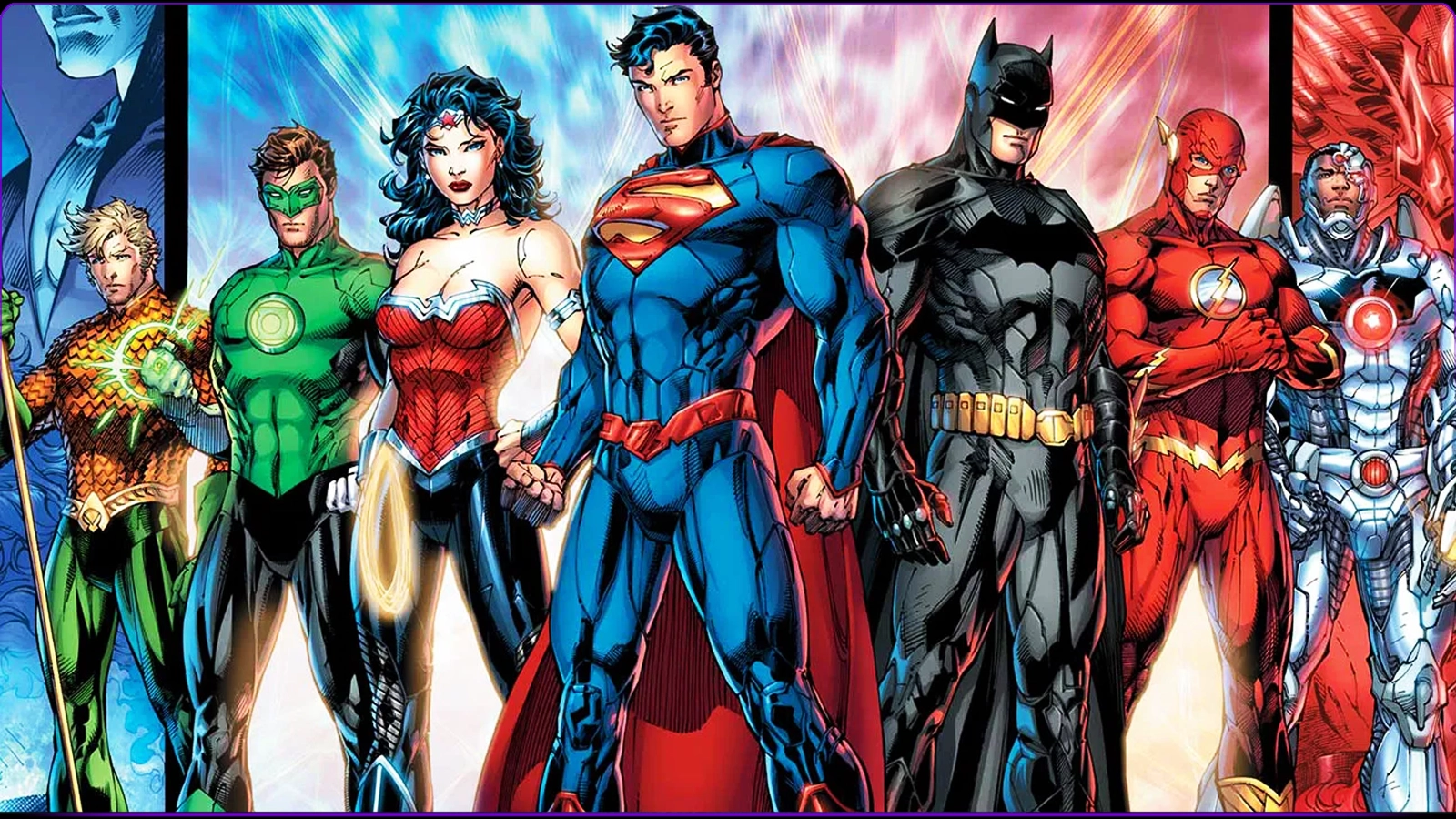
DC fans have heard plenty of promises about the future. What they need now is a reason to trust it: movies worth anticipating, television stories that get satisfying follow-ups, and a universe whose direction survives long enough to become clear.
That is the challenge facing Jeremy Latcham. Skydance has appointed him president and chief creative officer of DC Studios starting December 1, succeeding James Gunn and Peter Safran in executive leadership. His remit covers film, television and animation.
His name may be unfamiliar. His work probably isn’t. And while his public Christian faith has quickly become a subject of debate, his career offers a more substantial introduction than a collection of circulating interview clips.
His Marvel connection goes beyond the résumé
Latcham worked alongside Kevin Feige during Marvel’s formative years. His credits include Iron Man, The Avengers, Guardians of the Galaxy and Spider-Man: Homecoming.
There is a useful distinction in the story about their shared beginnings. In a 2012 interview transcribed by ComicBookMovie.com, Latcham recalled joining Marvel in 2004 as David Maisel’s assistant before Feige helped bring him into creative work. Feige’s own career began with Lauren Shuler Donner and Richard Donner; he joined Marvel in 2000. They worked within the same developing operation, but did not have identical starts.
That experience matters because building a franchise involves more than recognizing popular characters. Individual movies must work before audiences can care about how they connect. Latcham was present when Marvel turned that idea into a repeatable business. Reproducing those results at DC, with a different audience history and different corporate expectations, will be another challenge entirely.
Remember the fun Dungeons & Dragons movie?
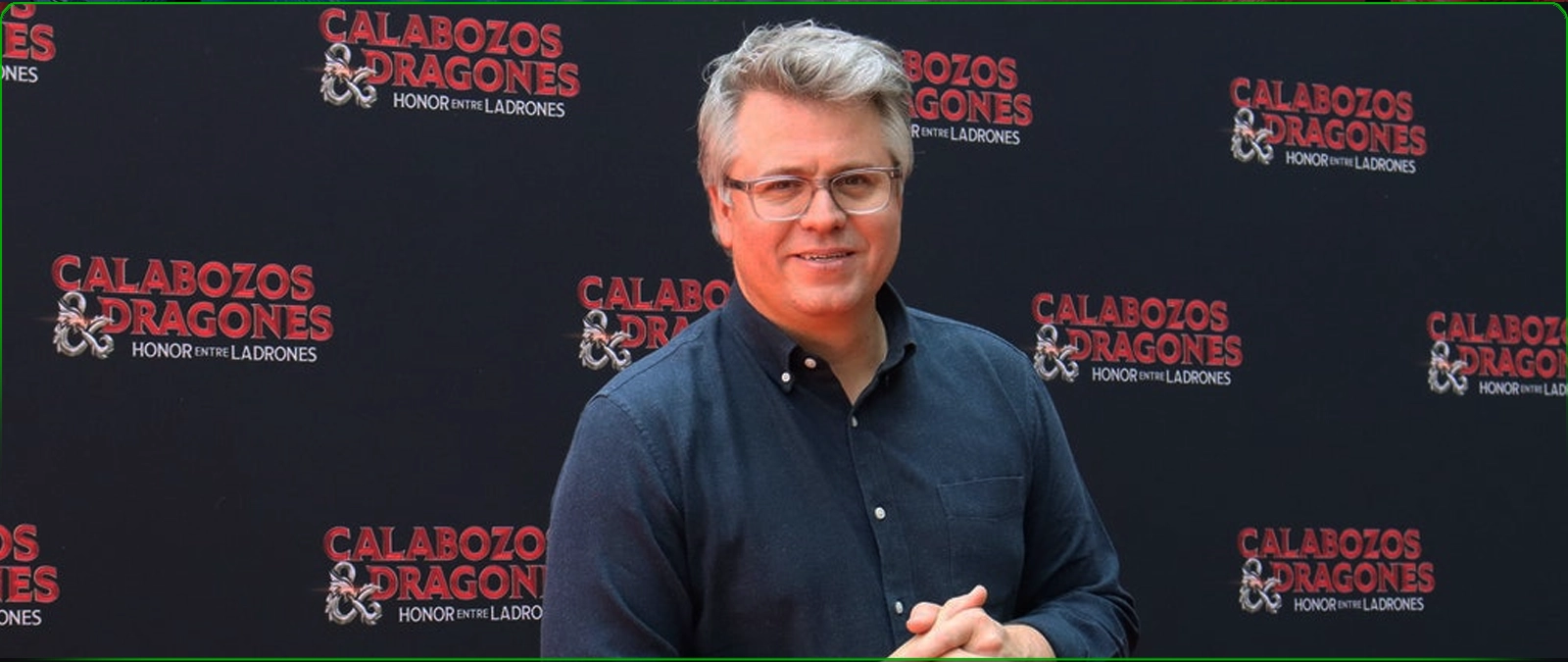
Latcham produced Dungeons & Dragons: Honor Among Thieves. For me, that is one of the most useful pieces of his résumé: a funny fantasy adventure whose characters and humor carried the experience. I did not come away feeling that it was making a case for a conservative or liberal political position.
That is a reading of the movie, rather than a declaration that entertainment has no politics. It also recognizes that producing is collaborative; the film cannot be reduced to one executive’s worldview. But an actual movie gives us something tangible to discuss when asking what kinds of stories he can help bring to the screen.
The same interview offers context for his much-discussed grandmother reference. Speaking to GamesRadar+ in 2023, Latcham explained that his Oklahoma grandparents served as a test of whether newcomers could understand an adaptation. The concern was accessibility: could someone without the fans’ background follow the story?
DC could use that instinct. A viewer should be able to enjoy Superman without taking a course in which previous movies still count. Accessibility can make a complicated universe welcoming; it need not erase the personality of its individual stories.
Faith, redemption and the audience he imagines
Latcham has discussed Christianity openly, including in a June 2026 Bible Bros interview. His connection to faith-oriented entertainment is professional, too: a Wonder Project fellowship announcement identified him as a senior adviser overseeing its screenwriting initiative.
In an anecdote reported by Movieguide, Latcham recalled his grandmother telling him that her pastor had used Iron Man as a story of redemption. It is his account of that conversation, and a revealing example of how he thinks a blockbuster can connect with people beyond its expected audience.
A redemption story can resonate in a church and with people who never attend one. The interesting creative question is how a filmmaker reaches those audiences through characters and choices they find convincing.
Some viewers are nevertheless concerned about what this background might mean for queer representation and DC’s more adult or irreverent stories. GO Magazine documented that reaction. Those concerns deserve attention, especially from audiences who have reasons to watch corporate promises of inclusion carefully. They are not evidence that Latcham has announced restrictions on those stories.
For HolaHello, the meaningful test will be the projects commissioned, the creators supported and the characters allowed to remain fully themselves. A broader audience includes queer viewers, Latino viewers and people with different beliefs. “For everyone” should be an invitation that includes them.
A quieter public face for DC
TheWrap reports that insiders expect Latcham to take a quieter approach to social media than Gunn, closer to Feige’s reserved public presence. That could be one of the first differences fans notice.
A studio chief does not need to answer every rumor personally. But DC still needs a reliable way to explain what is moving forward. For Latcham, communicating clearly while giving filmmakers room to work could matter as much as the next slate announcement.
What could actually change at DC?
TheWrap reports, citing insiders, that David Ellison wants a faster path to the Justice League and greater emphasis on marquee heroes. That is reported corporate direction, rather than a formally unveiled release slate.
It speaks to a frustration many fans recognize: DC owns some of entertainment’s most famous characters, yet its audience keeps waiting for a dependable shared franchise. Giving those heroes sustained attention is a reasonable priority. It still requires compelling individual films; familiar logos cannot supply the missing story.
Variety’s November 11 coverage cites spending, disappointing returns and changes in executive authority as part of the shakeup. The business context matters when evaluating decisions that might otherwise be attributed entirely to Latcham’s personal taste. He will report to Skydance film chiefs Dana Goldberg and Josh Greenstein.
The appointment itself does not announce another complete continuity reboot. Gunn has also said he is writing another DC project beyond Man of Tomorrow. A change in executive leadership leaves room for existing creative relationships to continue.
Batman could be his biggest negotiation
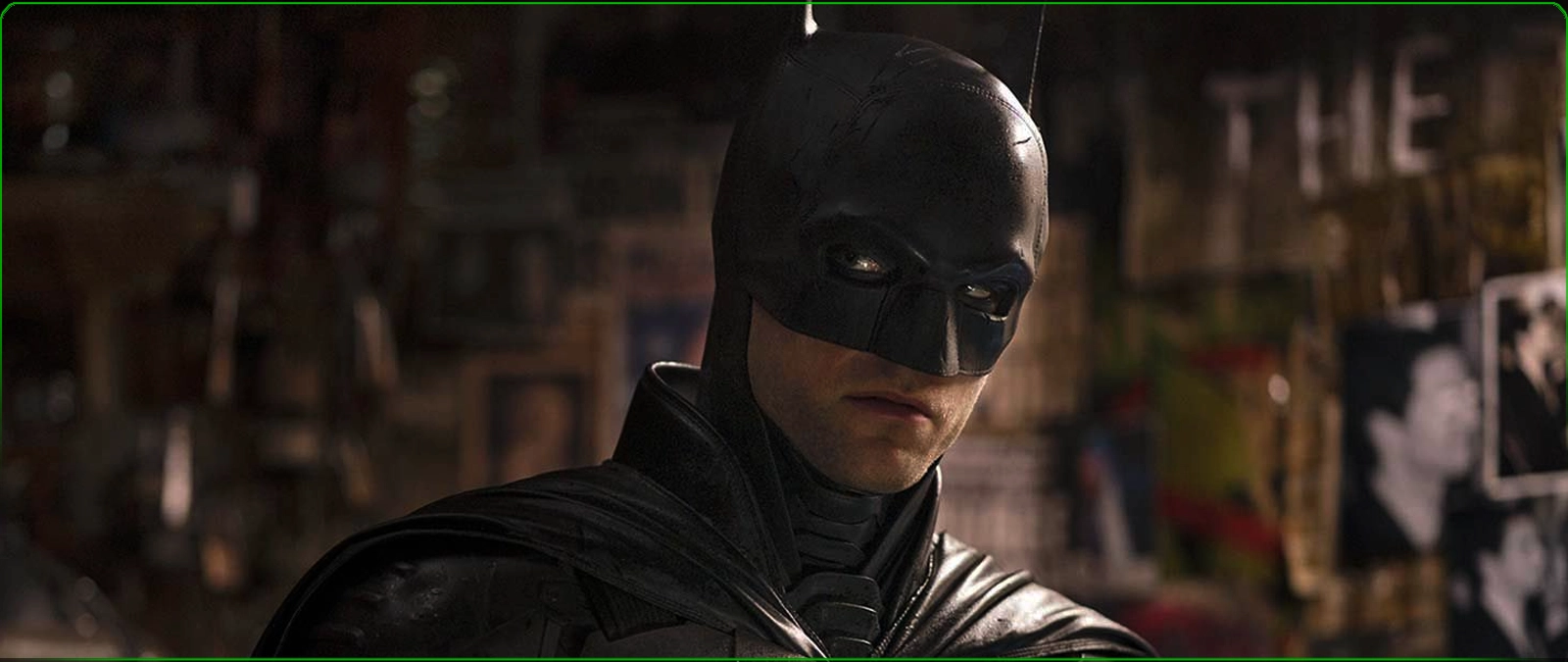
Batman could become one of Latcham’s most consequential negotiations. Reporting citing Nexus Point News suggests Skydance wants Robert Pattinson in the shared DC universe, but no agreement has been announced. Bringing an established Batman together with DC’s other heroes would also raise questions about the future of Matt Reeves’s separate continuity.
Reeves’s temporary absence from production for a family matter should not be mistaken for an announced exit or evidence that his creative authority has disappeared. Meanwhile, TheWrap reports that Pattinson screen-tested for James Bond. That introduces another possible commitment, not a confirmed casting or scheduling conflict. For Latcham, the challenge would be aligning the actor, filmmakers and franchise plans—not simply announcing another Batman.
The uncertainty he inherits
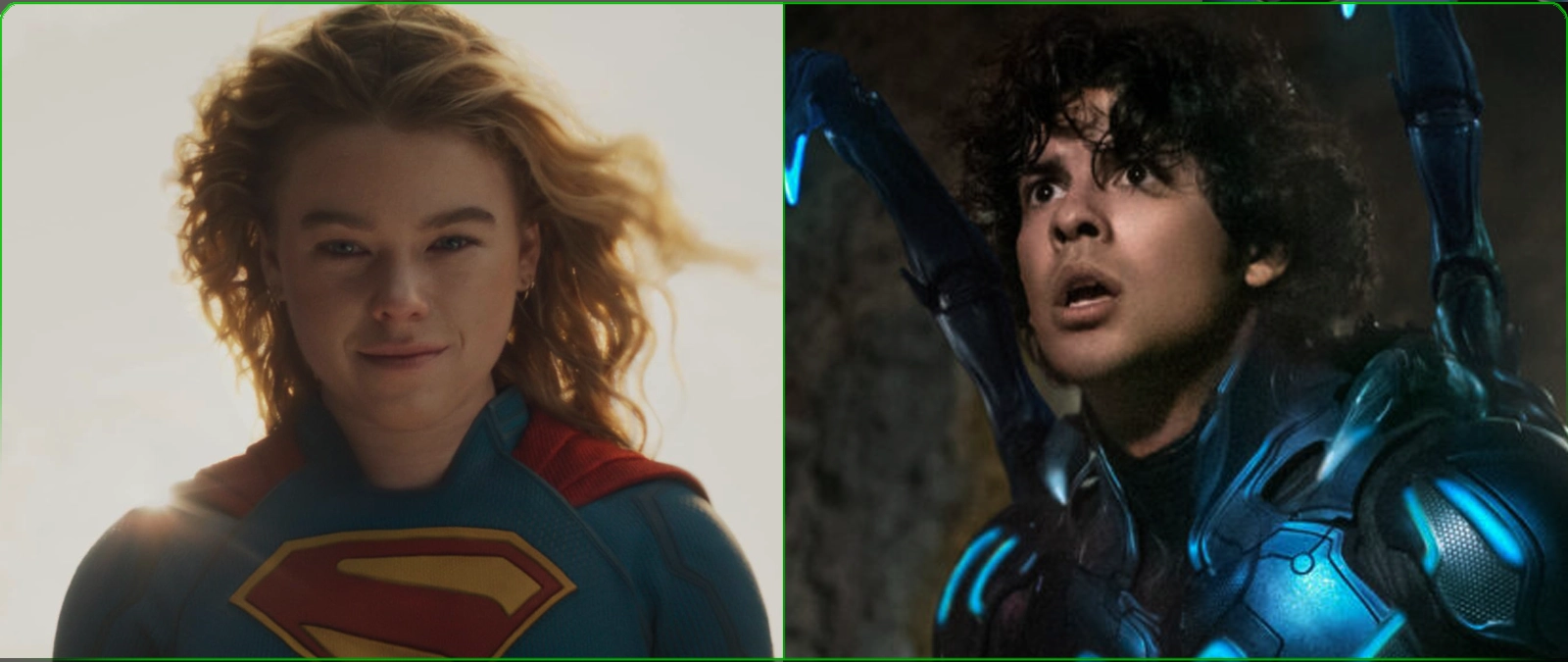
The immediate questions concern how much of DC’s existing work Latcham will retain. World of Reel reports planned Man of Tomorrow reshoots and possible cuts involving Blue Beetle and Supergirl, but those changes are unconfirmed. Nexus Point News subsequently added that Supergirl is in the film. For Latino viewers invested in Jaime Reyes, Blue Beetle’s future deserves attention without treating a rumored cut as Latcham’s established decision.
Henry Cavill’s openness to returning as Superman and Gal Gadot’s appearance in a photograph with Ellison have also stirred speculation. Neither amounts to a casting announcement; the photo does not establish the closeness of their friendship.
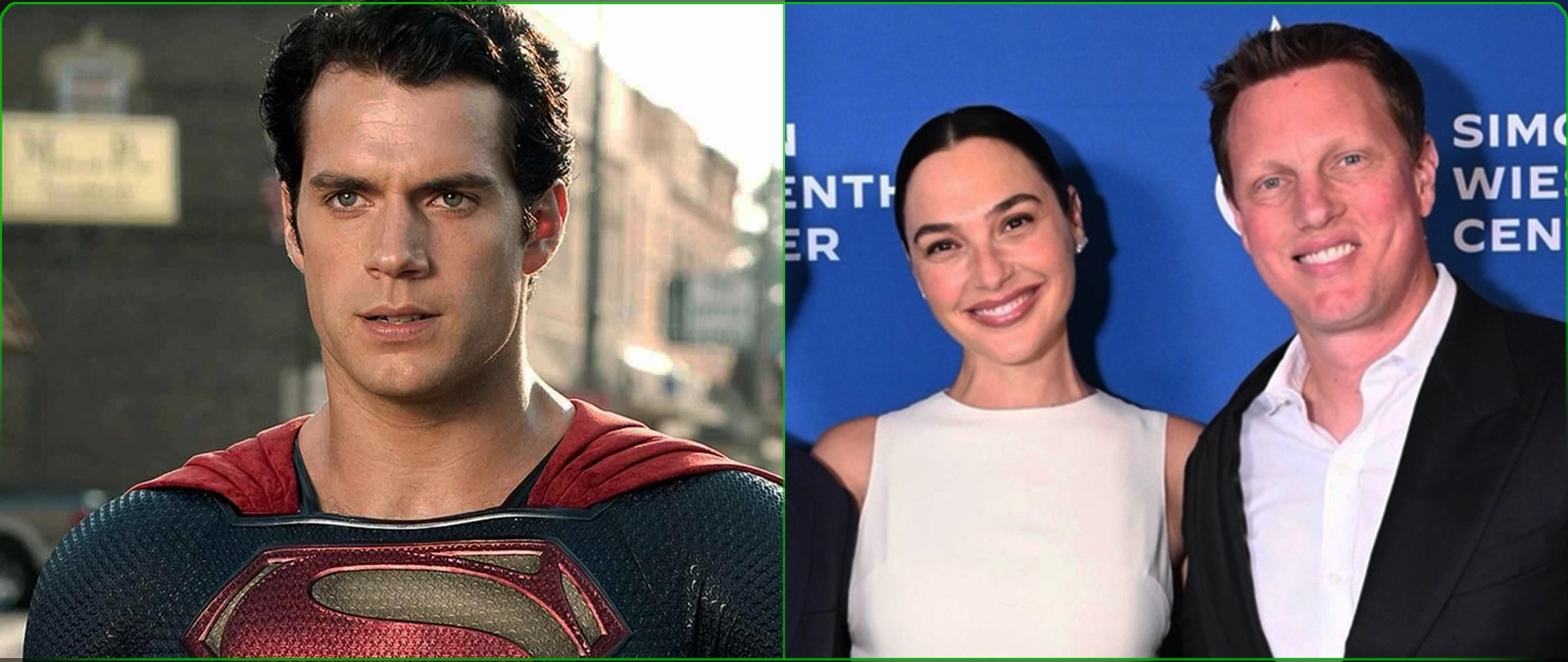
Wonder Woman presents another potential decision for Latcham. Reporting citing Nexus Point News claims Adria Arjona could be playing Diana in Man of Tomorrow, with her future uncertain under Skydance and her scenes potentially subject to removal. Neither the Wonder Woman casting nor a decision to cut her has been officially confirmed.
Arjona has an established connection to Gunn through The Belko Experiment, and he has publicly described their friendship. She is also in a publicly documented relationship with Jason Momoa. Those connections are background, however—not evidence of how she was cast or why new leadership might reconsider her role. For Latcham, the substantive question is who will introduce one of DC’s central heroes, and whether that choice will survive the transition.

TheWrap describes Clayface alongside Elseworlds projects, but that passage does not announce a new studio ruling removing it from DCU canon. Meanwhile, Christopher Cantwell rejected Lanterns cancellation rumors. A second season remains unannounced.
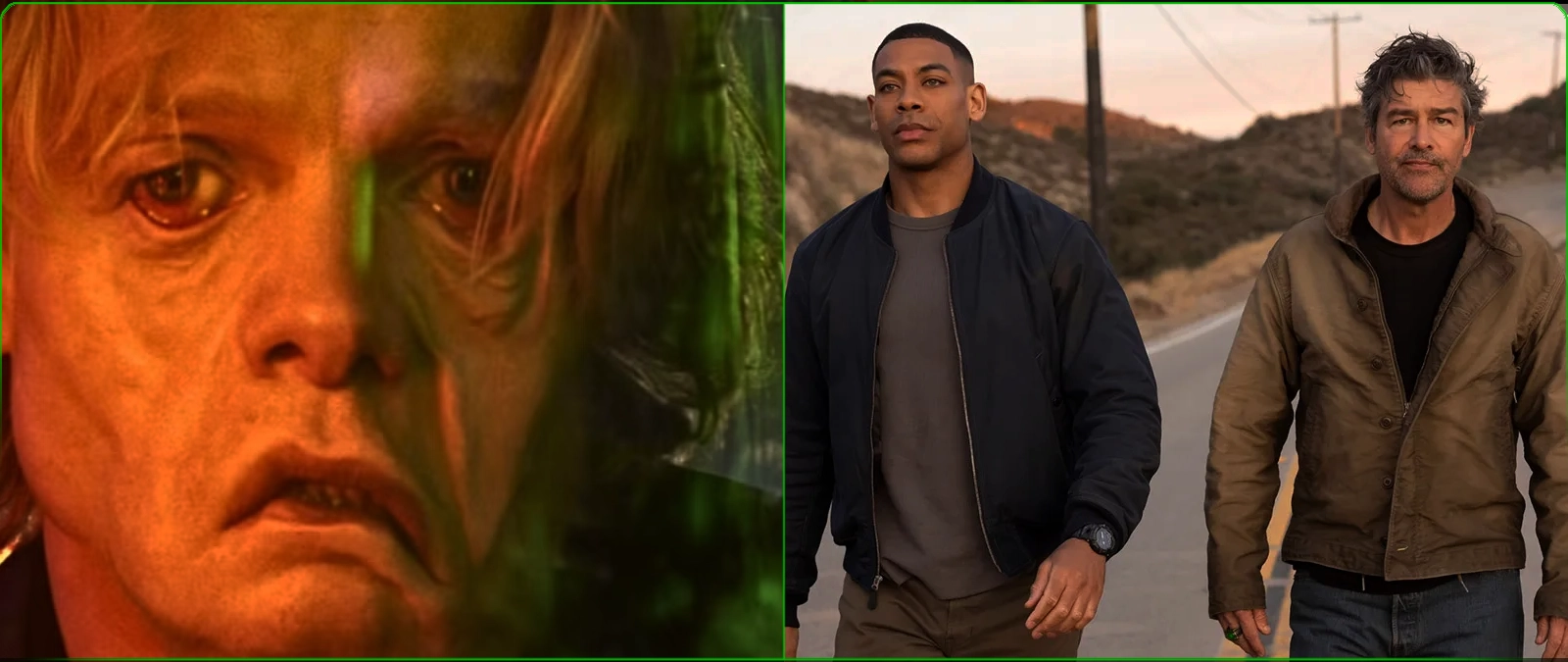
These questions illustrate the job ahead. Latcham will be judged on what he preserves, what he changes and how convincingly he explains the direction. His experience reaching audiences beyond established fandom could help. DC needs that invitation to come with a reason to keep watching.