
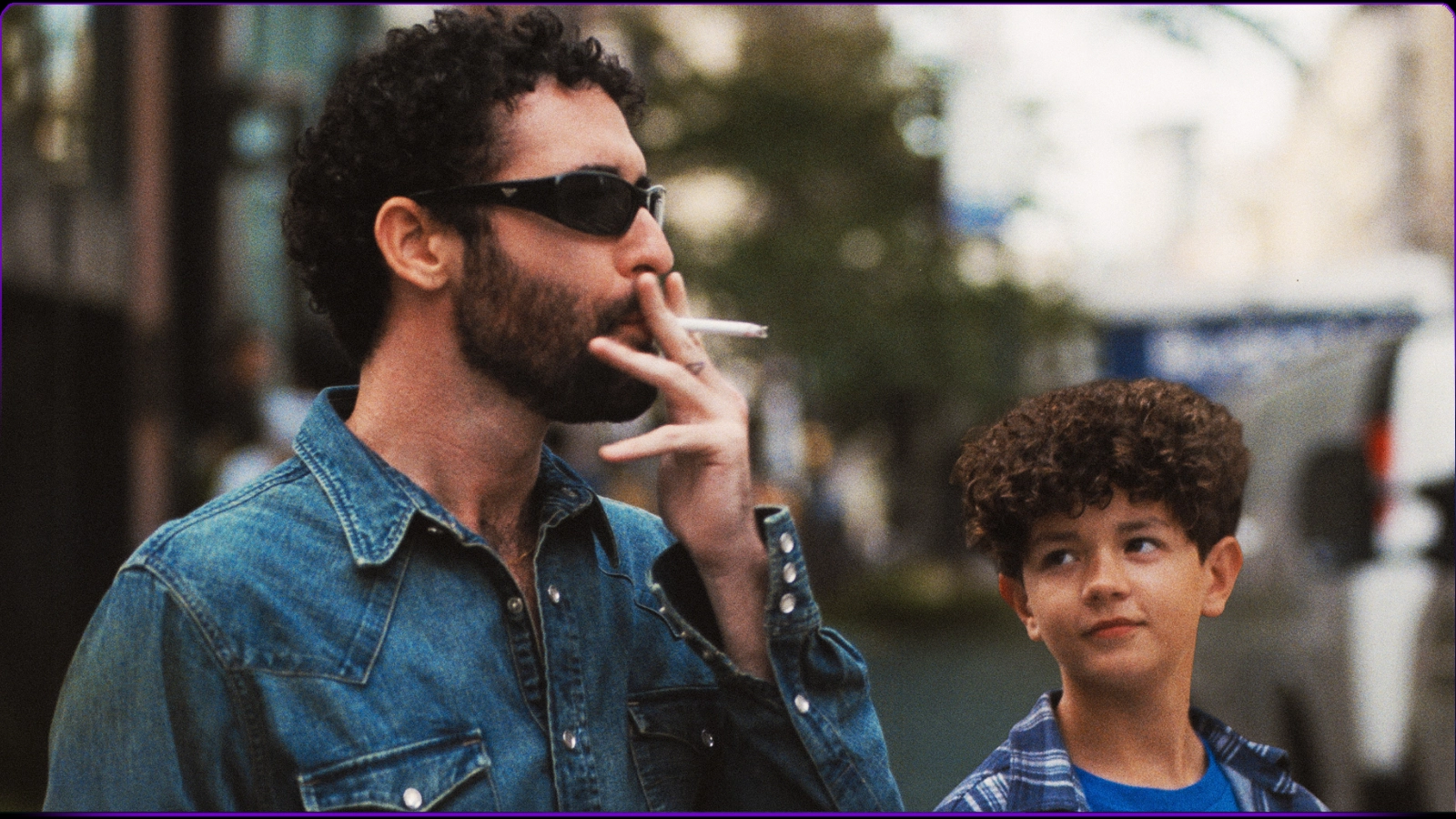
Jordan Firstman's Club Kid begins as a hilarious comedy about an irresponsible party promoter who unexpectedly becomes a father. But its final act transforms the story into something much more complicated: an exploration of love, responsibility, chosen family, and the consequences of our decisions.
The ending is heartbreaking, hopeful, and surprisingly mature for a film that begins with seven drunk friends crammed into an Uber.
So what happens to Peter and Arlo? Why does the custody decision matter so much? And what does that final phone call tell us about the person Peter has become?
Let's talk about it.
When the Party Stops Being Fun
One of the film's most joyful sequences sees Arlo (Reggie Absolom) performing as a DJ for the first time. Saffron (Saturn Risin9), one of Peter's closest friends, recognizes the boy's talent and encourages him to perform. The queer community that has surrounded Peter for years welcomes Arlo with open arms. Everybody cheers. Everybody celebrates. For a moment, Peter's two worlds come together beautifully: his son becomes part of his chosen family.
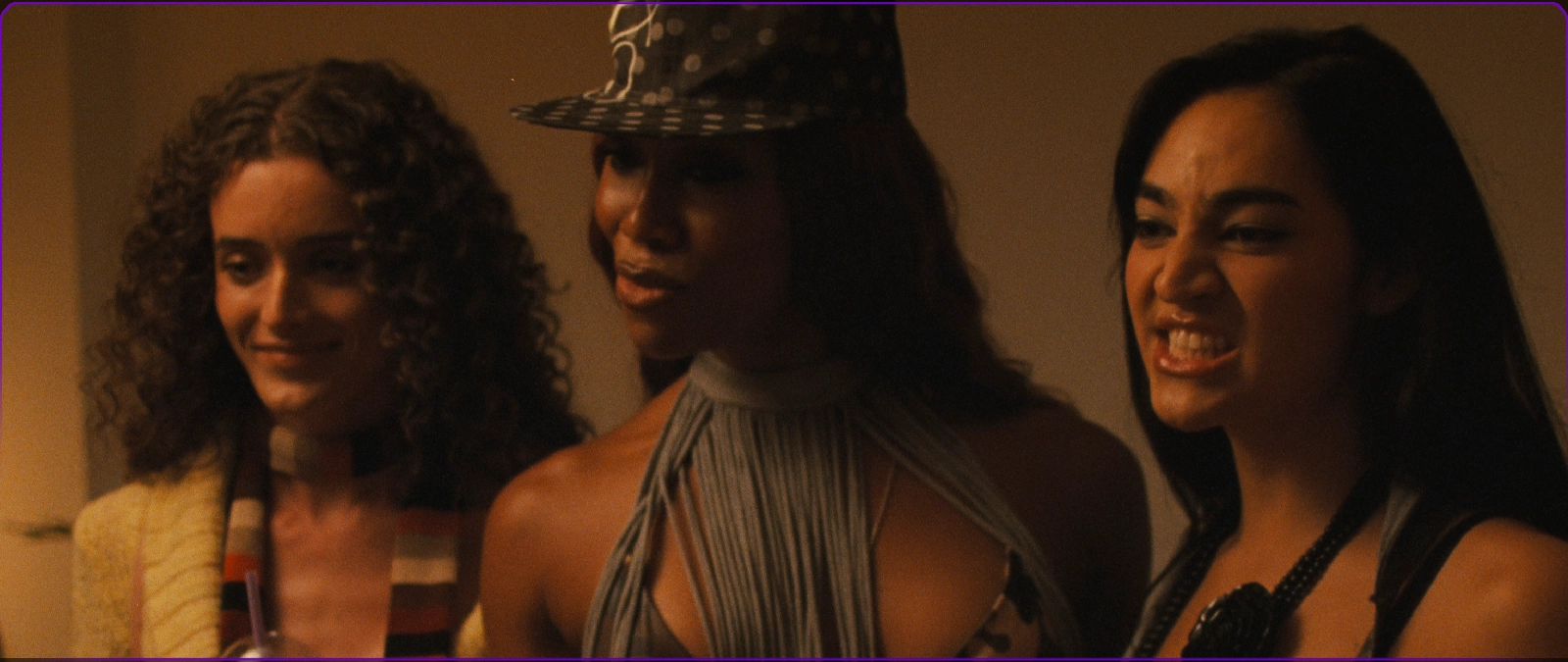
But when Arlo asks to DJ again, things don't go quite as planned. The event runs late. The crowd is drunker and more heavily intoxicated than before. Even the mood among Peter's friends feels different.
Peter recognizes that something isn't right. He decides to leave with Arlo, but in the chaos of the crowded nightclub, he briefly lets go of his son's hand. Suddenly, he can't find him.
It's terrifying precisely because this is Peter's world. He knows these clubs, these people, these parties. But what feels familiar and manageable to an adult can be frightening and dangerous for a child.
Peter eventually finds Arlo and they flee together. He apologizes for putting his son in that situation. The scene isn't punishing him for being part of queer nightlife. It's confronting the difference between a community that loves Arlo and an adult environment that isn't always appropriate for him. Those are two different things.

Sophie's Terrible Decision
Peter's former business partner Sophie (Cara Delevingne) sees them leaving the club. Still furious over their falling-out, she reports him to child protective services. When she realizes the consequences, she tries to take it back. She arrives at Peter's apartment, apologizes and even promises to seek treatment for her cocaine addiction. But it's too late.
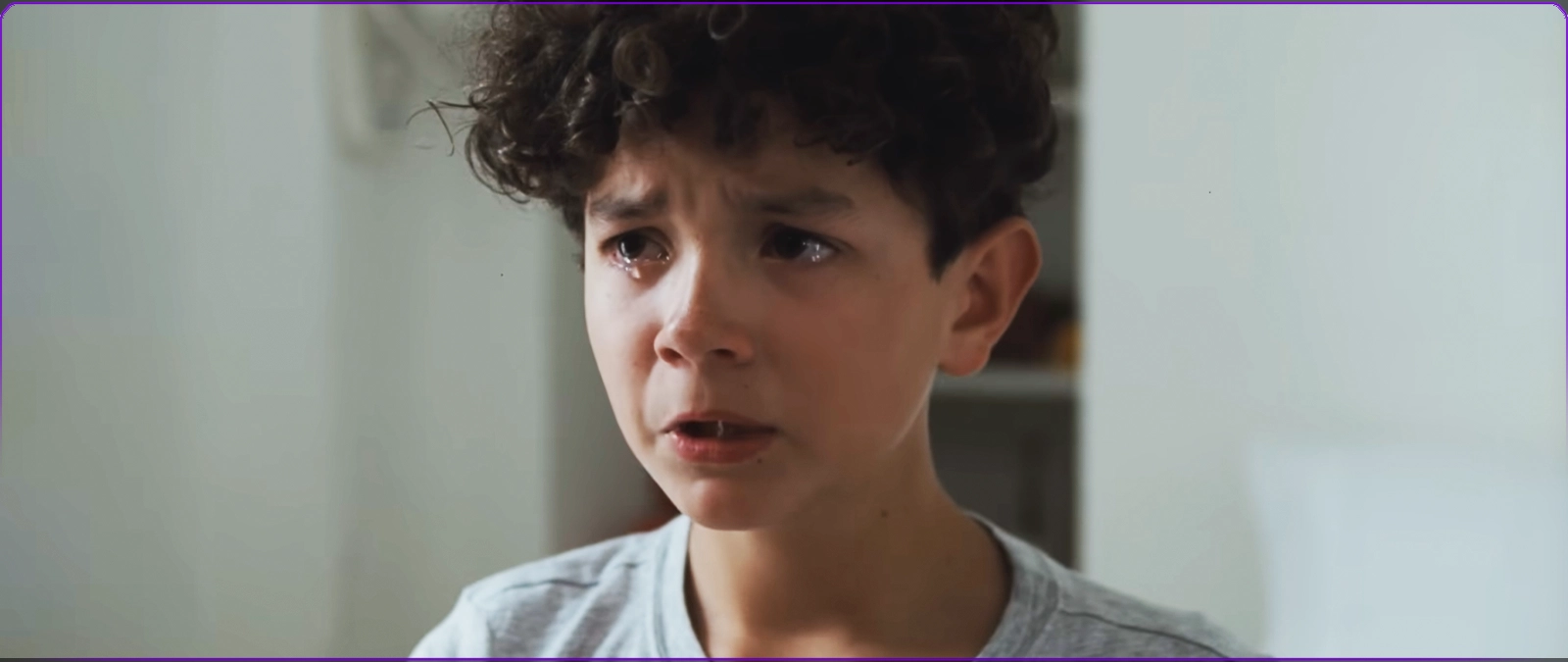
Because Arlo entered the United States on a temporary visa and his care arrangements are unresolved, the authorities take him away from Peter. Arlo doesn't understand why the person who has become his father can't keep him. Peter tries to remain strong, but his tears betray him.
What makes it painful is that Peter really has been trying. We've watched him learn to love this boy, and watched Arlo love him in return. Their bond is real. And none of that prevents the separation.
What Makes Someone a Good Parent?
Peter travels to London to fight for custody. His lawyer warns him that the case is difficult because he doesn't fit society's conventional image of a parent. She considers herself an ally, but knows the court will examine his whole life. That hurts. His chosen family doesn't look like a traditional household, his career revolves around nightlife, and his past is messy.
But the film refuses to make the court a simple villain. The judge recognizes Peter's love for Arlo, the changes he's made, and the affectionate space he's created. She also cannot disregard his history of selling drugs, the dangerous nightclub incident, his uncertain income, and the instability of his life.
Another prospective guardian, a friend of Arlo's late mother, can offer a more stable household, financial security and children around Arlo's age. The judge awards custody to her. Peter isn't even allowed a goodbye, out of concern that it would further confuse Arlo.
It's devastating. We understand why the court worries about the child while feeling that Peter and Arlo are losing something precious.
Peter loves his son. Arlo loves his father. But love and good intentions don't automatically mean someone can provide everything a child needs. And an unconventional queer family isn't inherently unfit, either. The film holds those uncomfortable truths together, without resolving them neatly.
Becoming Better Doesn't Erase the Past
Here's where Club Kid becomes more than a comedy about an irresponsible man discovering fatherhood. Peter doesn't get rewarded with everything he wants simply because he starts becoming a better person.
He makes mistakes, learns from them, and genuinely transforms his life. But those changes don't erase what happened before.
The most important part is what comes next: Peter continues changing even after losing custody. He doesn't know whether he'll ever have Arlo in his life again. Nobody promises that a more responsible life will reunite them. And yet, he keeps going.
He's no longer changing solely to get a particular outcome. Loving Arlo has changed who he wants to be.
He's Still Peter, Thank God
A year later, Peter works as a bartender rather than organizing parties and selling drugs. He's studying to become a therapist. He's also in a relationship with Oscar (Diego Calva), the handsome Mexican social worker who helped him and Arlo.
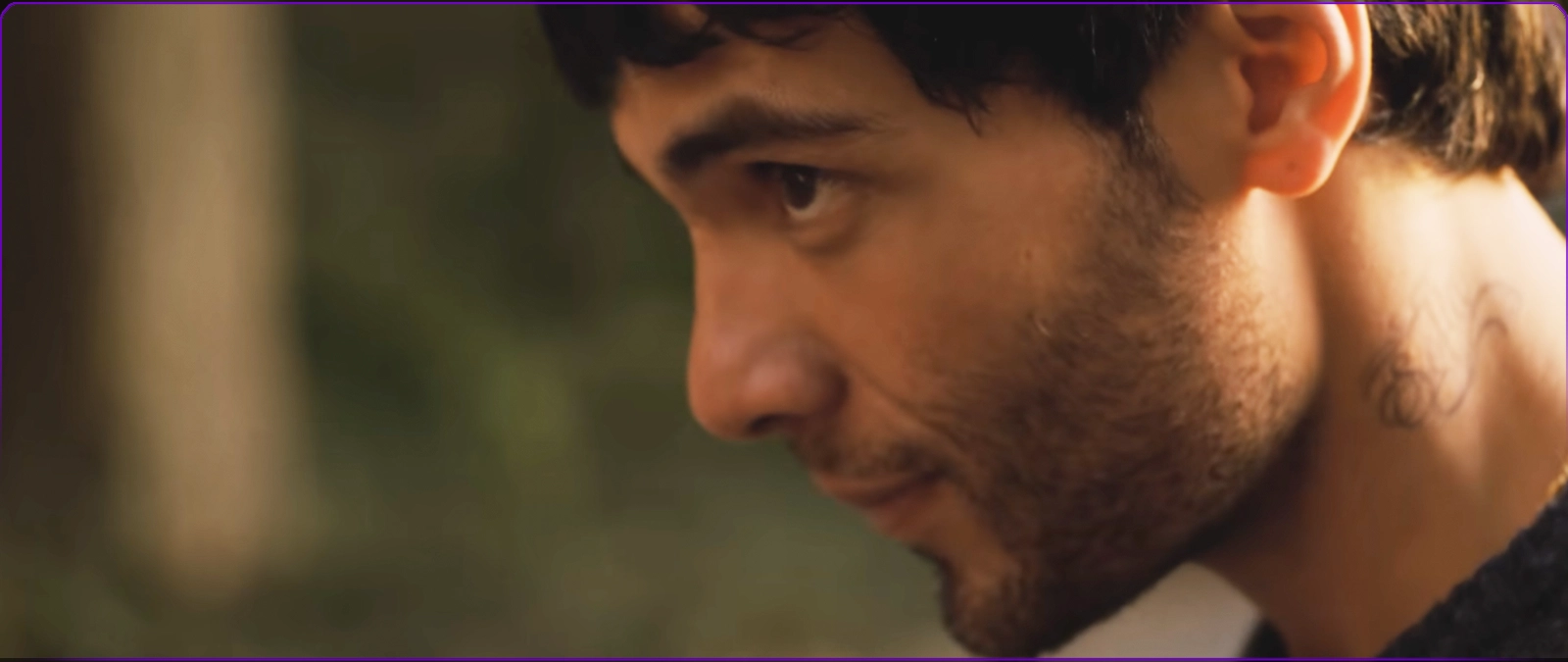
Yes, he got the beautiful man after all. Good for her! 💅
But Peter hasn't magically become a completely different person. He complains to Oscar that school is boring. Of course he does! He's still funny, impatient and a little chaotic. He has stopped using drugs, although he tells Saffron he still drinks occasionally.
He's also become distant from the circle that once surrounded him. When Saffron visits the bar where he works, it's clear they haven't seen each other for a long time. Perhaps that distance is part of his grief over losing Arlo. Maybe stepping away from people and places associated with his former life helped him heal and rebuild. The film doesn't explicitly tell us why, and we shouldn't pretend it does.
Peter hasn't stopped being himself. He's learning to live differently, even when that means leaving pieces of his old life behind. Growing up isn't a magic switch that makes us enjoy homework and responsibility. Sometimes we remain the same ridiculous people. We just make better decisions.
She Always Gave Hotel
The reunion with Saffron also delivers one of the film's funniest jokes. Peter learns that Sophie went to rehab and now organizes events for hotels. Their assessment? She always gave hotel.
I HOWLED.
It's the perfect little queer read. Their lives have changed, but their sense of humor remains gloriously intact. Even Sophie is allowed to rebuild her life. The movie doesn't permanently condemn her for her worst choice, any more than it condemns Peter for his.
Everybody gets a character arc. Everybody still gets read.
The Phone Call
And then comes the moment that destroyed me.
Throughout the film, people complain that Peter never answers his phone. He's distracted, unreliable, too wrapped up in the next party or whatever happens to be in front of him.
But near the end, his phone rings early in the morning. And Peter answers.
It's the woman caring for Arlo. She explains that it's Arlo's birthday and he wants to speak to his father.
It's a tiny gesture with enormous significance: Peter has become someone who answers. Someone who shows up.
We discover that father and son have maintained a connection through a shared Spotify playlist, adding songs for each other while living apart. Music brought them together; music has kept them connected. Peter promises to send Arlo a DJ console. Arlo asks if he can see him. The guardian says Peter is welcome to visit.
Nothing is magically fixed. Peter hasn't regained custody or been handed the family life he imagined. But a door has opened.
When the call ends, Peter cries while Oscar holds him. I cried too. Both times I watched the movie.
The Happy Ending We Didn't Expect
At first, I thought the movie would give Peter everything: a son, a boyfriend, a loving home, a completely transformed life. Then it seemed to take that happy ending away.
But on my second viewing, I realized Peter does get a happy ending. Just not the one we expected.
He's building a more stable future, pursuing a new profession, and sharing his life with Oscar. More importantly, he's sustained the changes he started making for Arlo even when he had no guarantee of seeing his son again. Now there is hope they can be part of each other's lives once more.
Peter's love for Arlo didn't disappear when fatherhood became difficult. It changed him permanently.
And the final phone call doesn't erase the pain. It allows us to sit with both the loss and the possibility of something better.
Sometimes Growing Up Means Letting Go
For those of us in our 30s and 40s, especially those who know queer nightlife, Peter's journey can feel uncomfortably familiar. I know what it's like to feel like an impostor adult, wondering when the switch in your brain is going to flip and you'll suddenly be responsible, productive and mature. Sometimes I still feel like my mother's little kid. I suspect I'm not alone.
Maybe growing up isn't becoming someone completely different. Maybe it's recognizing what matters and making decisions that reflect those priorities. Peter doesn't stop being funny, chaotic or occasionally ridiculous. He doesn't have to. He learns that love carries responsibility, and that becoming better doesn't guarantee we'll get everything we want.
I watched Club Kid twice. The first time I gave it four stars, questioning how easily Peter's life seemed to fall into place. The second time I understood its refusal to reward him with a perfect ending. I changed my rating to five stars.
The first time, I was judging Peter's transformation. The second time, I was recognizing myself in it.
The party doesn't have to end for us to grow up. But sometimes we need to learn when it's time to go home.